
"roasted coffee compounds"
800 article(s) found

Changes in the roasting process of coffee beans changes occurred before and after roasting
Professional coffee knowledge exchange more coffee bean information Please pay attention to the volatile and non-volatile compounds in the coffee workshop (Wechat official account cafe_style) you may have heard that volatile and non-volatile compounds are produced during roasting. Generally speaking, volatile compounds are aroma, and non-volatile compounds are flavors. But what kind of substances are these? Volatile compounds

The influence of the water content of coffee beans and the external environment on the formation of spices during roasting
The aromatherapy compounds of coffee beans are mainly produced by a series of complex aromatherapy reactions during the roasting period.
Effects of regulation of sugars and amino acids on aroma components of coffee before roasting
The aroma compounds of coffee beans are mainly formed by a series of complex aroma formation reactions when the aroma precursors in coffee beans are heated.

[coffee roasting] what are the chemical changes in coffee beans during roasting?
Professional coffee knowledge exchange more coffee bean information please follow the coffee workshop (Wechat official account cafe_style) do you know what happens when roasting coffee beans? What are the chemical changes that transform raw coffee beans into coffee ripe beans with charming flavor and rich aroma? In the previous article, we saw that the structure of coffee beans plays an important role in the roasting process.

Boutique coffee beans | what is the reaction when coffee is roasted? why the coffee is rich in flavor
Do you know what happens when you bake coffee? What changes have taken place to turn mung beans into our favorite delicious, fragrant coffee beans? In the first part of this two-part series, we studied how the anatomical structure of coffee beans played an important role and outlined the physical changes that took place during roasting. Now, let's look at some chemical changes.
Coffee roasting knowledge sharing, roasting will produce volatile and non-volatile compounds
Professional coffee knowledge exchange more coffee bean information Please pay attention to the coffee workshop (Wechat official account cafe_style) roasting will produce volatile and non-volatile compounds, generally speaking, volatile compounds are aroma, non-volatile compounds are flavor. Volatile compounds are organic chemicals with high vapor pressure at room temperature, many of which are in degradation.
How do you analyze coffee's chemical composition to predict flavor, aroma and quality?
Professional coffee knowledge exchange More coffee bean information Please pay attention to the coffee workshop (Weixin Official Accounts cafe_style) There are many factors that affect the flavor of coffee: variety, roasting degree, brewing formula, processing method, etc., but when you look deeper, you will find that flavor depends on only one thing: the composition of compounds. Coffee roasting method, coffee variety, species
The flavor characteristics of coffee are actually the products of a chemical compound. Where does the aroma of coffee come from?
There are too many factors in coffee that can affect coffee flavor: variety, baking methods, brewing methods, treatment methods. However, when you start to analyze it, the flavor characteristics of coffee are actually a product of chemical compounds. Of course, these compounds are affected by the way we roast coffee, the type of coffee, and the height at which we plant it. But if we really want to optimize,

Flavor atlas of Yunnan coffee
As we all know, raw beans have almost no other flavor except the smell of grass before baking, but their chemical components react in a series of ways during the baking process, forming the unique flavor of coffee. Coffee contains more than 800 volatile components, even if some ingredients are trace, can also play a role in the flavor. Dehong, Baoshan, Lincang and Pu'er in Yunnan Province are domestic small-grain coffee.

Yunnan coffee bean flavor map _ Yunnan coffee bean flavor research report _ how about Yunnan small grain coffee
Professional coffee knowledge exchange more coffee bean information please follow the coffee workshop (Wechat official account cafe_style) Thank Professor Qiao of Shenzhen Vocational and Technical College for recommending an article in "China Journal of Tropical crops", a research report on the flavor of coffee beans in Yunnan. I found it very interesting to read it and share the main idea with you. ● the report is aimed at four places in Yunnan.
Detailed analysis of volatile compounds in coffee beans
★ volatile compounds: volatile compounds are the main source of coffee flavor, especially important for coffee quality. There are many kinds of volatile substances in coffee, and their existence will affect the aroma quality of coffee. Its main source is derived from non-volatile substances in raw beans which are disconnected or derived after reaction in the process of roasting. The role of thermal decomposition, other reactions, or compositions, such as sugar.
Volatile compounds are the main source of coffee flavor.
★ volatile compounds: volatile compounds are the main source of coffee flavor, especially important for coffee quality. There are many kinds of volatile substances in coffee, and their existence will affect the aroma quality of coffee. Its main source is derived from non-volatile substances in raw beans which are disconnected or derived after reaction in the process of roasting. The role of thermal decomposition, other reactions, or compositions, such as sugar.
Coffee roasting and Coffee Flavor Wheel New version of Coffee Flavor Wheel
The deep roasting of counter-cultural coffee flavor wheel highlights that light roasting of wood incense can highlight the bright smell of sour flowers, grasses and fruits, but hopeless deep roasting fans fall in love with resin components such as incense, smelling, choking aroma and alcohol odor. this is the product of Mena reaction and distillation. Resin composition: pine and cypress families of Pinaceae and Taxodiaceae, both secrete oleoresin with spicy fragrance to protect against insect pests or

Coffee roasting Why Coffee roasting is important to learn what knowledge is needed for roasting
Coffee beans are seeds that ripen in coffee cherries. They are then processed and dried into coffee beans. Before baking, coffee beans are green and have the smell of tofu and grass. In fact, raw coffee beans don't smell like coffee at all. When we bake coffee, we produce 8 to 1000 different aroma compounds. These compounds give the coffee a flavor. Through baking analysis, I
Introduction to the flavor of Pu'er coffee Yunnan Pu'er coffee belongs to Arabica? what are the characteristics of taste such as
Professional coffee knowledge exchange more coffee bean information Please follow the coffee workshop (Wechat official account cafe_style) I still remember when I just bought a quilt machine and shipped it back to China with PWN Huangman, who wasted 200kg of raw beans in a year before he dared to sell them in a berry store. As for whether the research results in this year are recognized by consumers, it is no longer mine.

Coffee aroma coffee wine coffee roast coffee beans how to bake roast curve
Mercaptan has produced deep-baked fragrance since 1962, when two Nobel laureates, Reichstein and Stottinger, pointed out that uran, mercaptan, and alkylpyrazine. After Diketone is the key point to make coffee aroma, in fact, scientists have made great progress in this area over the years. Thomas Palerman (Thomas), a chemist from the world-renowned Kraft Foods Company (Kraft Foods).

What is the flavor of deep-roasted coffee? what is the flavor of deep-roasted coffee beans? deep-roasted Mantenin Italian mixed beans commercial coffee
Alcohol has been deeply roasted since 1962, when two Nobel laureates, Reichstein and Stottinger, pointed out that uran, mercaptan, and alkylpyrazine. After Diketone is the key point to make coffee aroma, in fact, scientists have made great progress in this field over the years. Thomas H.
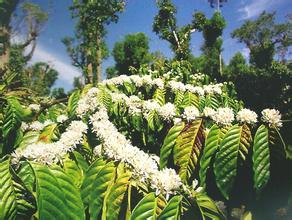
The smell of coffee according to its source is of great reference value for roasting.
According to the source, the aromatization table can be divided into three groups: the first group: this kind of compound is the result of enzymatic reaction during the growth of coffee beans. The main components are ester and aldolase. This compound is the most volatile and is often found in the dry aroma of freshly ground coffee powder. The first group can be further subdivided into three types: floral flavor, fruit flavor and
Classify the smell of coffee by source
According to the source, the aromatization table can be divided into three groups: the first group: this kind of compound is the result of enzymatic reaction during the growth of coffee beans. The main components are ester and aldolase. This compound is the most volatile and is often found in the dry aroma of freshly ground coffee powder. The first group can be further subdivided into three types: floral flavor, fruit flavor and
How do you get the aroma of coffee beans? How do we perceive the aroma of coffee? Those compounds produce aromas.
What produces the aroma of coffee? To understand chemistry we drink coffee in order to enjoy its unique flavor and rich aroma. When we pour or sip espresso, it is reminiscent of chocolate, caramel, almonds, fruits and flowers. But what happened at the chemical level? Each sensory characteristic is the result of chemical and biological reactions. Please read on to learn more about production